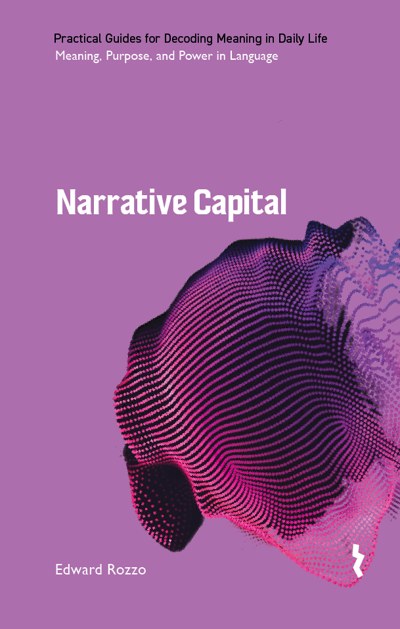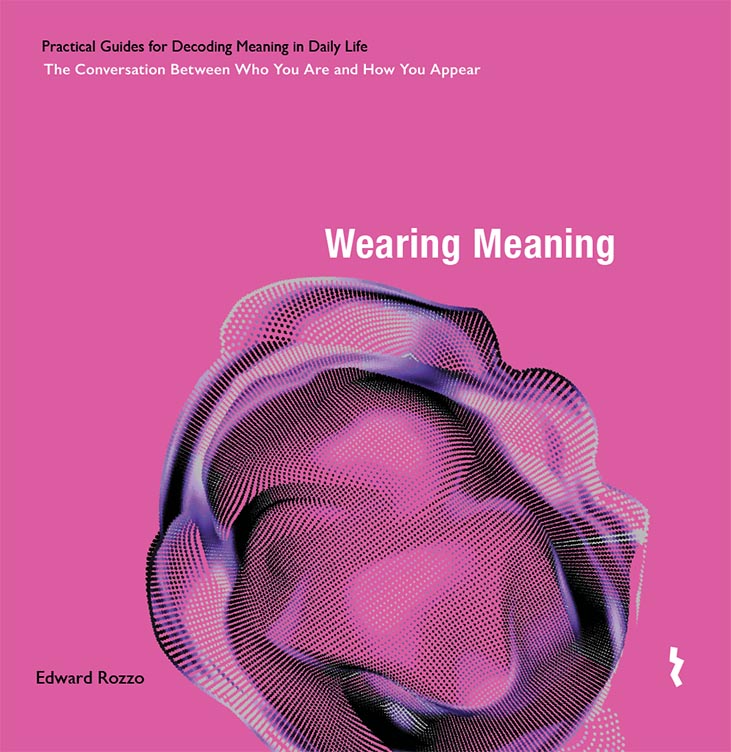
Meaning is not found. It is constructed.Through semiotics, semantics and contemporary thought, we explore how human beings build, interpret, and lose meaning in a world where the landscape of meanings shifts constantly around us.
Our work begins not with answers, but with the discipline of asking better questions. We are not interested in what things mean. We are interested in how meaning is made — and what happens when it breaks down.
Each volume in the Practical Guides series takes a single dimension of daily life and opens it: the way we think, the images we absorb, the stories we live inside, the objects we use and discard, the words we trust and misplace. One question at a time.
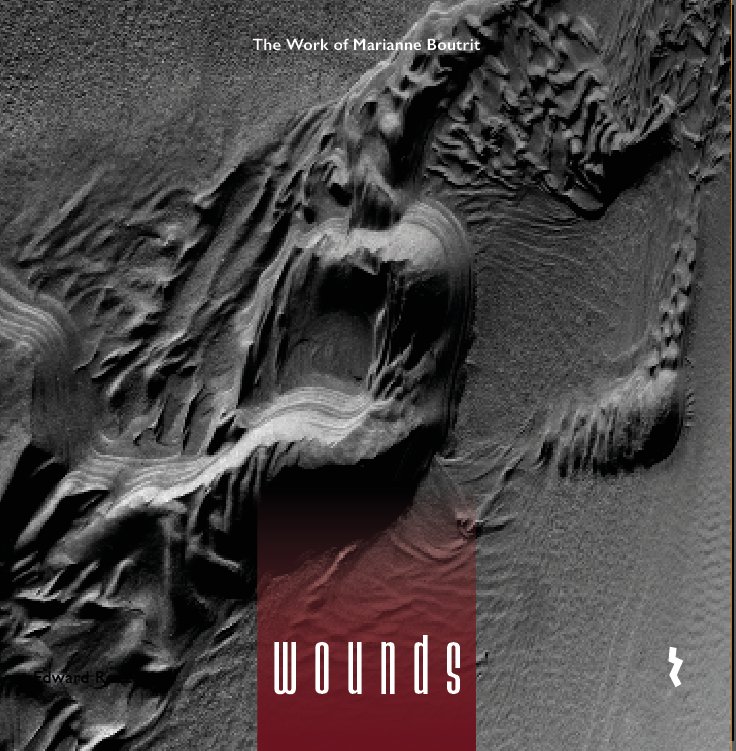
Our Image Works series explores contemporary meaning through the work of selected photographers and illustrators. In preparation is our first volume, Wounds — presenting the life's work of Marianne Boutrit, a photographer who has worked in seclusion for years, and whose images are a sustained visual study of trauma, pain, and the unexpected presence of inner beauty.
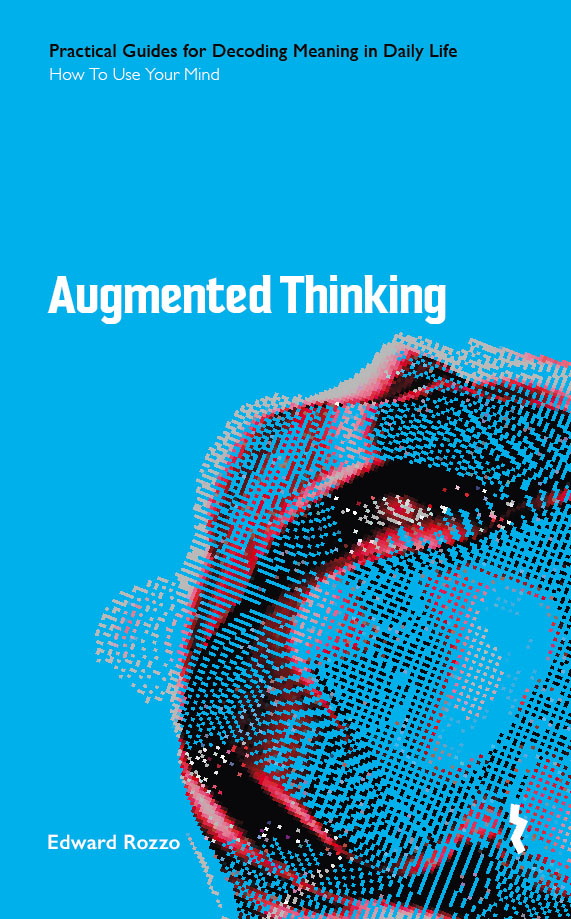
How To Use Your Mind
We live in an age that has never had more access to information — and never felt more confused. Drawing on neuroscience, evolutionary psychology, semiotics and cultural theory, Edward Rozzo argues that the rational, linear thinking we have been taught is precisely what limits us. The mind’s deepest capabilities lie elsewhere: in confusion, in storytelling, in the liberation of intuition, and in a new collaboration with artificial intelligence that augments rather than replaces human thought.
This is a book about what becomes possible when you stop looking for answers and start learning, once again, how to think.
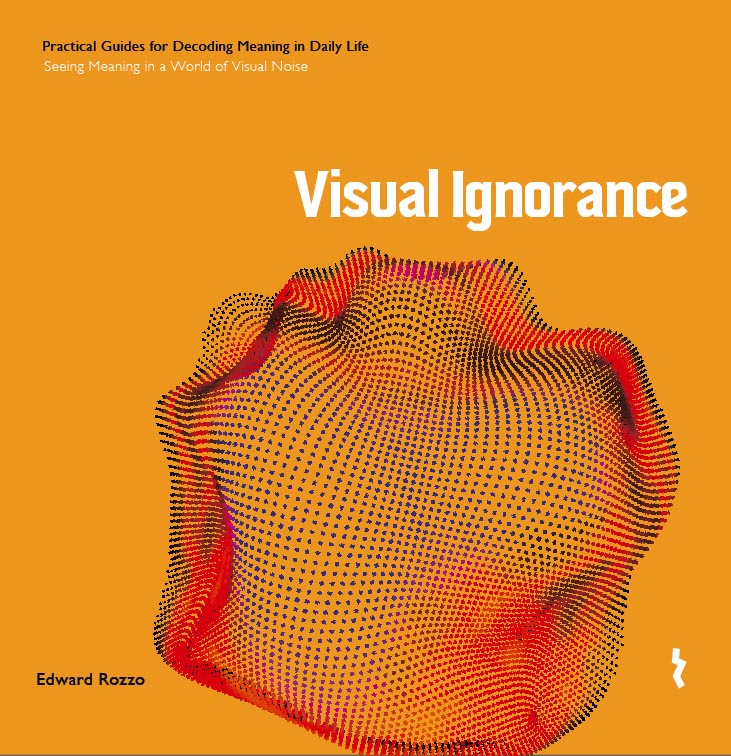
Seeing Meaning in a World of Visual Noise
We scroll, swipe and consume thousands of images every day — and yet most of us have never been taught to truly read a single one. Visual Ignorance asks an uncomfortable question: what if the images surrounding us do not show us the world, but build walls we have mistaken for windows? Learning to see is a discipline. And it begins with admitting how little we have actually seen.
The Work of Marianne Boutrit
The landscape does not bleed. And yet. In Marianne Boutrit’s photographs, the earth opens, folds, tears — and what emerges looks disturbingly like flesh. Wounds is a sustained encounter with a body of work that refuses easy classification: neither document nor abstraction, neither wound nor geology, but something suspended between them.
Edward Rozzo’s essay traces the visual and conceptual logic of Boutrit’s practice, asking what it means to find injury in landscape — and what that says about the eye doing the finding.